Robots are getting better at everything-cooking, driving, even writing poetry. But when it comes to sex work, they’re still missing the one thing that matters most: real human connection. You can program a machine to mimic touch, to say the right words, to simulate emotion. But you can’t code trust. You can’t simulate the quiet understanding between two people in a dim room, the unspoken comfort that comes from being seen, not just serviced. That’s why, despite all the hype about AI companions and robotic intimacy, sex work remains stubbornly, beautifully human.
Some companies have tried. There are startups pitching AI-powered sex bots with facial recognition and voice modulation, claiming they can offer personalized experiences 24/7. But the market hasn’t taken off. Why? Because people don’t want a perfect algorithm. They want someone who remembers their name, who knows how they like their coffee, who can laugh at their bad jokes without judgment. For those seeking companionship in places like escorts dubai, it’s not about efficiency-it’s about presence.
Why Robots Can’t Replace Human Touch
Sex work isn’t just physical. It’s emotional labor. It’s listening to someone’s divorce story while holding their hand. It’s offering silence when words fail. It’s being there when the world feels too loud. Robots don’t get tired. They don’t feel lonely. They don’t care if you cry. And that’s the problem. People don’t go to sex workers because they need a service-they go because they need to feel something real.
Studies from the University of Cambridge in 2024 show that users of AI intimacy platforms report higher levels of isolation after use. The more time people spend with simulated companions, the less they feel understood. Human sex workers, on the other hand, build rapport. They adapt. They read body language. They adjust tone, pace, and touch based on subtle cues a robot would miss entirely.
The Dubai Factor: Where Human Connection Still Rules
In cities like Dubai, where discretion and luxury are expected, the demand for human sex workers hasn’t dropped-it’s grown. The market for dubai call girl services thrives because clients aren’t looking for a gadget. They’re looking for elegance, intelligence, and emotional availability. A robot can’t wear silk robes with the right drape. It can’t whisper in three languages. It can’t remember that you hate cilantro but love jasmine tea.
Many clients in Dubai choose human escorts because they want someone who can navigate cultural nuance. They want someone who knows how to behave in a five-star hotel suite, who understands the unspoken rules of privacy, who doesn’t ask for selfies or social media tags. These aren’t features you can program. They’re learned through experience, empathy, and observation.
Technology Hasn’t Killed the Industry-It’s Changed It
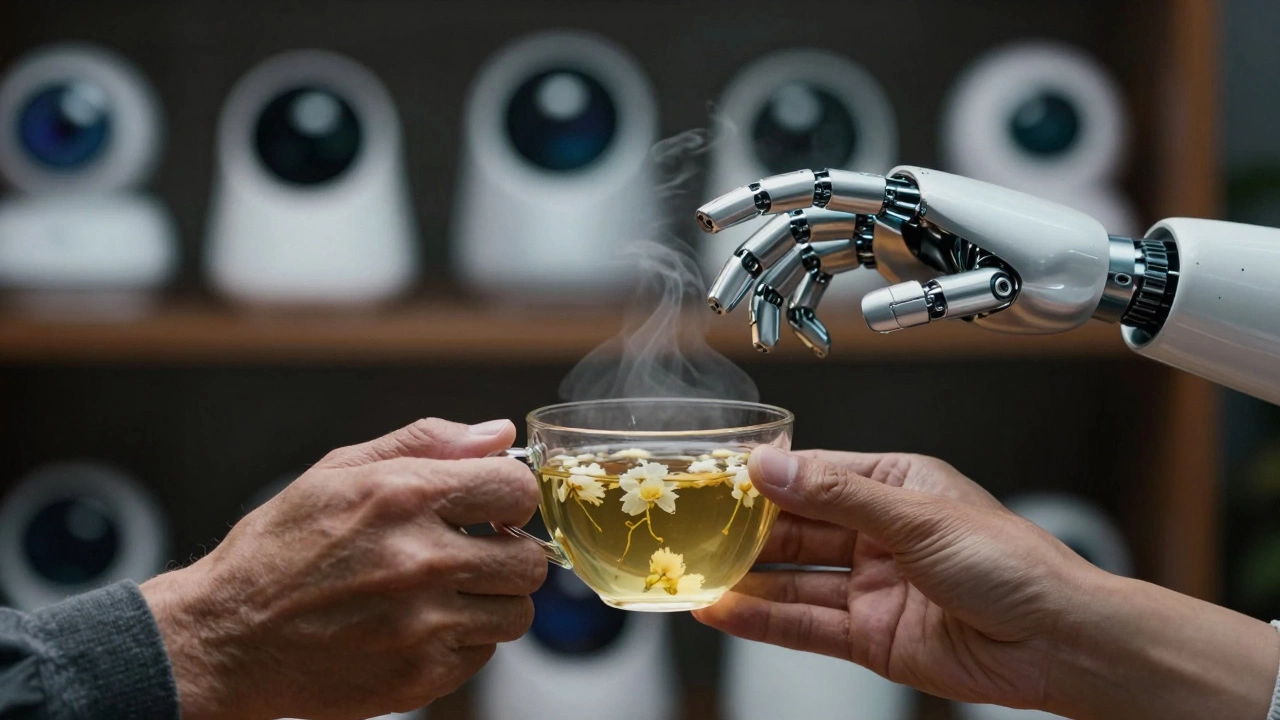
Robots didn’t replace sex workers. They pushed them to evolve. Today’s professionals use apps to screen clients, manage bookings, and protect their safety. They use encrypted messaging, background checks, and digital payment systems. Some even offer virtual companionship as a supplement-text chats, voice calls, video dates. But the in-person experience? That’s still the gold standard.
One sex worker in Melbourne told me last month that her bookings went up 40% after she started offering hybrid services: a 15-minute video call before meeting, to build comfort. Clients said they felt safer. More connected. More human. That’s not AI. That’s strategy. That’s adaptation.
What Robots Get Wrong About Desire
AI companies assume desire is transactional. They think if you can replicate the physical act, you’ve won. But desire isn’t about mechanics. It’s about vulnerability. It’s about the fear of being judged, and the relief of finding someone who doesn’t. It’s about the way someone’s hand lingers a second too long, just to let you know you’re not alone.
Robots don’t have trauma. They don’t have histories. They don’t carry the weight of being misunderstood. And that’s why people still choose human sex workers-even when robots are cheaper, more available, and “safer.” Safety isn’t just about physical risk. It’s about emotional safety. It’s about knowing someone sees you, and still chooses to stay.
The Real Threat Isn’t Robots-It’s Stigma
The biggest danger to sex workers isn’t automation. It’s the law. It’s the judgment. It’s the way society treats them as invisible, disposable, or immoral. In places where sex work is criminalized, workers are forced into unsafe conditions. They can’t screen clients properly. They can’t report violence. They can’t access healthcare.
Meanwhile, robots are marketed as “risk-free.” But that’s a lie. The real risk is losing the human element of intimacy altogether. When we replace people with machines, we don’t eliminate danger-we erase empathy. We turn connection into a product, and humanity into a glitch.
That’s why sex work isn’t just surviving-it’s resisting. Workers are organizing. They’re advocating for decriminalization. They’re sharing stories. They’re building communities. And in every city, from Brisbane to Bangkok, from Toronto to call girls dubai, they’re proving that no algorithm can replicate the quiet power of a human voice saying, “I’m here.”
What the Future Looks Like
The future of sex work won’t be robot-run. It’ll be human-led-with better tools, stronger rights, and more respect. Technology will help: apps for safety, blockchain for payments, AI for filtering scams. But the core? That stays the same. Touch. Trust. Presence.
Maybe one day, robots will be good enough to fool someone for a night. But they’ll never be good enough to make someone feel like they matter. And that’s the one thing no machine can fake.