
How can one make money starting a blog?
Step right up folks, because I'm about to spill the beans on how to spin some serious gold from starting a blog! First, you've got to select a sizzling, hot topic that folks can't resist. Next, give your blog a dab of your unique personality and watch your audience grow! Now, here's where the magic happens: you can start cashing in on your blog through advertising, sponsored content, selling products or even offering online courses. So, buckle up my friends, it's time to transform your passion into a money-making machine!
Read More
Where can I get unique content for my blog?
Hey folks, you know, finding unique content for your blog can sometimes feel like hunting for that elusive, sneaky unicorn. But fear not, my blogging buddies, there are plenty of cool places to dig up some blog gold! Start with social media, a veritable treasure trove of fresh ideas that rivals Aladdin's cave. Don't forget about interviews with industry experts, they're like your very own golden ticket to originality! And last but not least, personal experiences - your own life can be the most unique content of all, after all, you're one of a kind!
Read More
What things you do to create quality blog posts?
Creating quality blog posts involves careful research and planning. I always start by choosing a relevant, engaging topic and then delve deep into research to ensure factual accuracy. Crafting an attention-grabbing headline and intriguing introduction is crucial for hooking readers. I aim to provide value through well-structured, clear, and concise content. Finally, proofreading for any errors and optimizing for SEO help guarantee the posts reach the right audience.
Read More
How to get my Blogger url?
Getting your Blogger URL is a straightforward process. First, you have to log in to your Blogger account and select the particular blog for which you need the URL. Then, head to the "Settings" section and find your blog address under the "Publishing" area. You can copy this URL for use or modify it according to your needs. Keep in mind, this URL is the primary way people will find and access your blog online.
Read More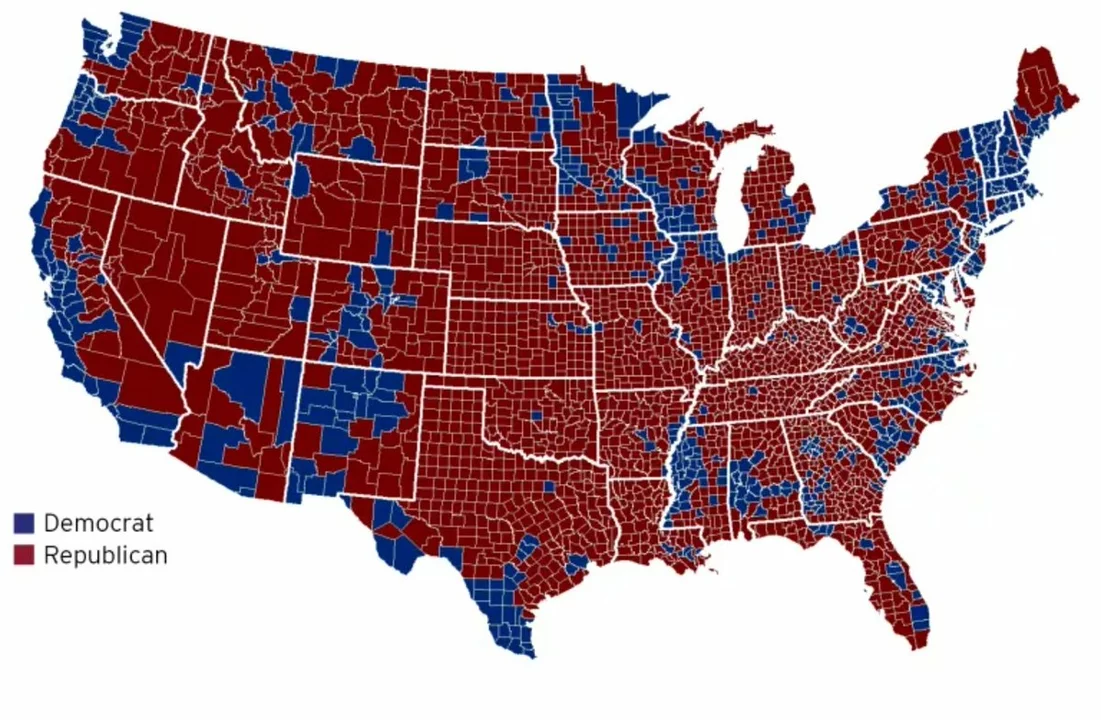
Why does Washington D.C. have so few Republican residents?
As a blogger, I've been wondering why Washington D.C. has so few Republican residents. One theory is that the city's large population of government workers may lean liberal due to their belief in a more active government role in society. Additionally, the city's demographics, with a significant Black community and young professionals, tend to be more Democratic. Urban areas, in general, tend to lean liberal, so it's not surprising that D.C. follows this trend. Lastly, the city's strong Democratic history has likely contributed to the lack of Republican residents in Washington D.C.
Read More